Trigger pull weight explained: measuring, creep and reset
Trigger pull weight is the one number shooters quote about a trigger and the one they most often misunderstand. It is a useful figure, but it describes a single moment in a pull that has five stages, and a heavy trigger that is clean often shoots better than a light one that creeps. This guide defines the terms, shows how to measure properly, gives typical numbers for common pistols and explains what matters for carry, competition and hunting.
The five stages
- Take-up, or pre-travel: the light movement before resistance rises. On a Glock it includes pressing the safety blade flush.
- Wall: where resistance rises sharply. On a striker pistol this is the striker finishing its cocking; on a single-action hammer gun the wall is the whole pull.
- Creep: movement after the wall and before the break while the sear slides. A good trigger has none you can feel; a bad one grinds.
- Break: the release of the striker or hammer.
- Overtravel: movement after the break until the trigger stops. Then the reset, the click on the way forward where the trigger is ready to fire again.
What the number measures
Pull weight is the force needed to move the trigger through the break, measured at the point on the trigger where the finger sits. It is not the force at the wall, though on a Glock they are close, and it says nothing about creep or reset. Two triggers at 4.5 pounds can feel completely different: one a clean wall and a glass-rod break, the other a mush that finally lets go. Weight is the start of describing a trigger, not the end.
How to measure
Use a trigger pull gauge, either a spring scale with a hook or a digital gauge; digital is repeatable, the spring type is fine if you read it the same way each time. Confirm the pistol is unloaded twice, cock it, hook the gauge on the trigger at the center of the face where your finger rests, and pull straight back in line with the bore, slowly, until the striker or hammer falls. Record the reading, reset, and repeat five to ten times; average the results and note the spread. Hooking the gauge low on the trigger reads light because of leverage; hooking it high reads heavy. Measure a new part after 200 rounds as well, when surfaces have settled.
Typical numbers
- Glock, dot or unmarked connector: about 5.5 pounds new; the minus connector about 4.5.
- Glock with NY1 module: about 8 pounds; NY2 about 11 to 12.
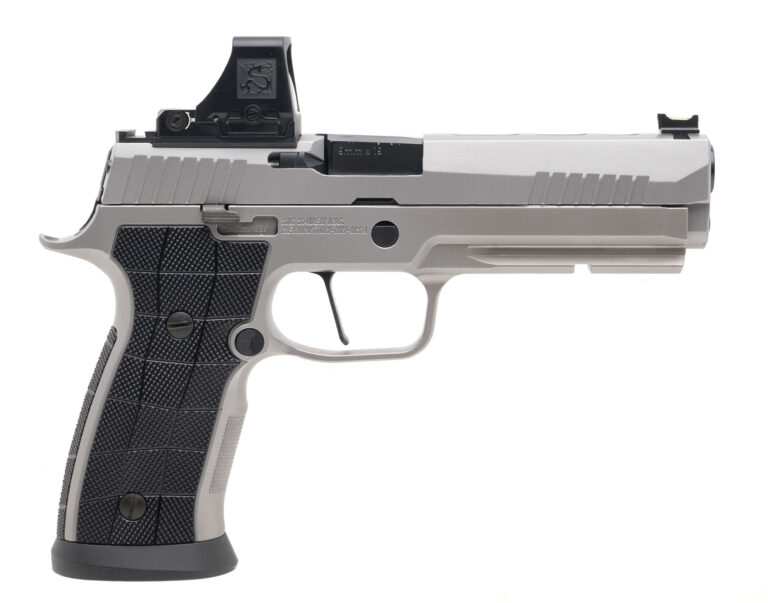
- Other striker pistols such as the M&P, P320, XD and P-10: 5 to 6.5 pounds from the factory.
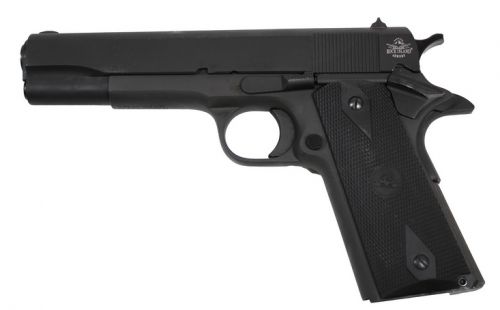
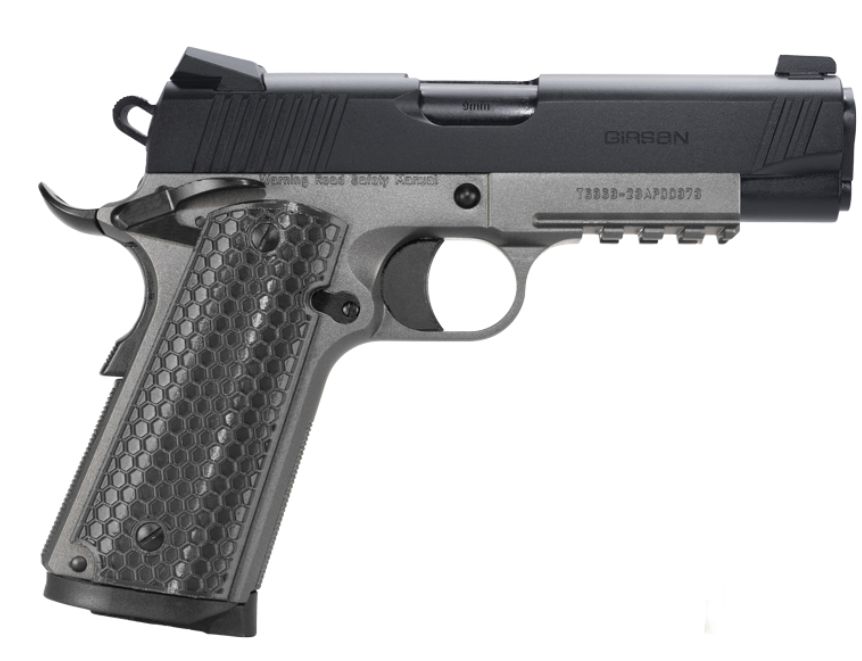
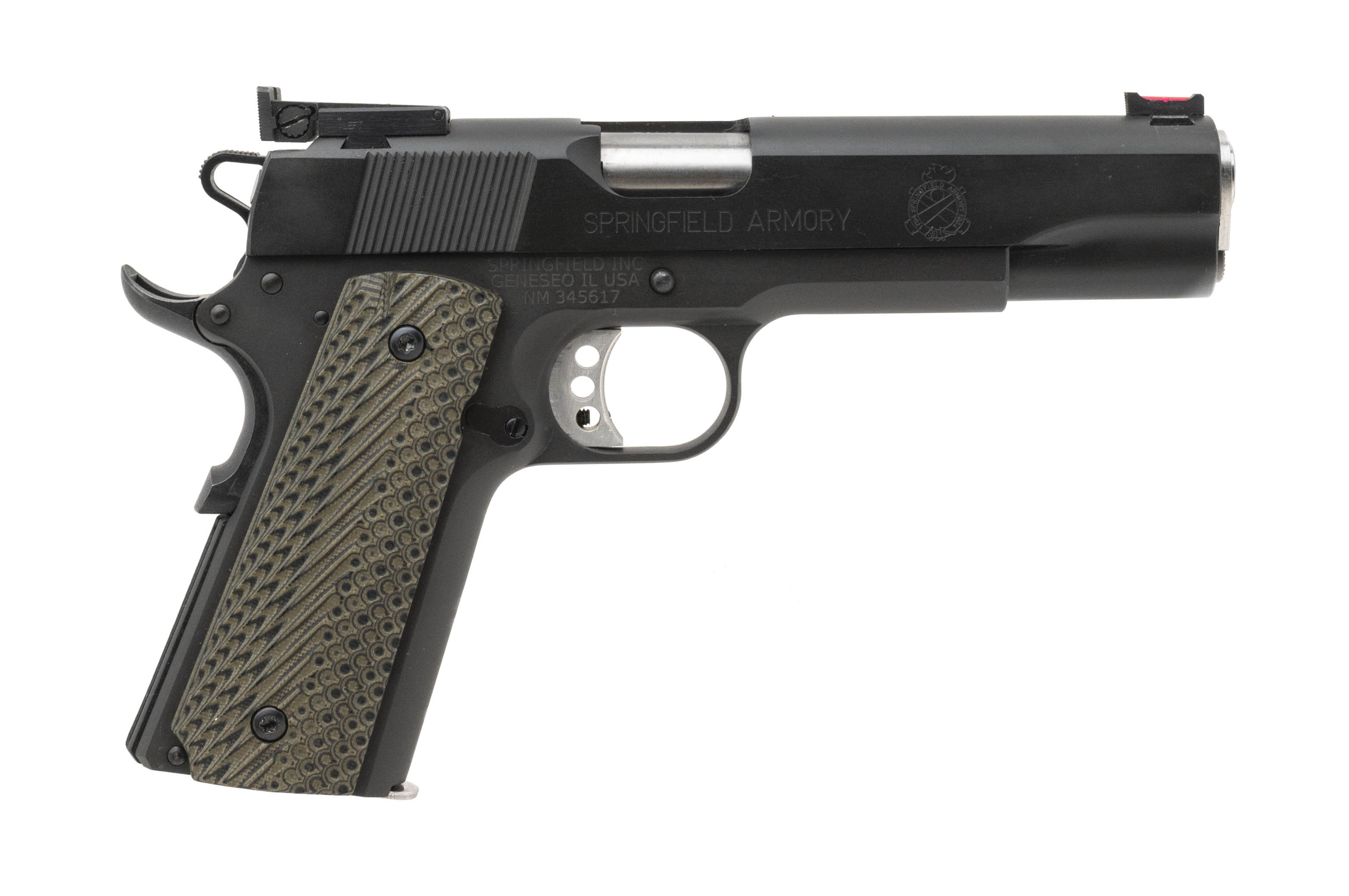
- 1911 single action: 4 to 5 pounds on a service gun, 3 to 3.5 on a match gun.
- Double-action revolver: 9 to 12 pounds double action, 3 to 5 single action.
- Hammer-fired DA/SA pistol: 9 to 12 pounds for the first shot, 4 to 5 after.
These are common ranges, not specifications; your gauge is the truth for your pistol.
Weight versus quality
Shooters miss because the trigger moved the sights, and a trigger moves the sights when it creeps, when the wall is vague, when overtravel lets the finger lurch, or when the weight is so heavy the hand tenses. Reducing weight helps the last of those; cleaning up the others helps more. On a Glock, polishing the connector face, the cruciform and the plunger removes creep and grit; an overtravel stop shortens the lurch; the connector sets the weight. Do the polish first and you may find the weight was never the problem.
What is right for the job
A carry pistol wants about 4.5 to 5.5 pounds with a clear wall, so a startled finger still has to mean it; the striker parts guide explains why the striker spring stays factory on one. A duty pistol follows the agency's rule, often 5.5 or heavier. A competition pistol wants as light as reliably fires, usually 3 to 3.5 pounds on a Glock, with hard primers tested. A hunting pistol wants a clean break more than a light one, since the shot is deliberate and often taken with cold hands or gloves; 4 to 4.5 pounds is plenty.
Consistency over lightness
A trigger that measures 4.5 pounds on every pull is better than one that averages 4.0 and ranges from 3.5 to 4.6, because the hand learns a consistent trigger and never learns an inconsistent one. Spread comes from grit on the sear surfaces, a spring cup not seated square, or a connector not flush. If your five readings differ by more than half a pound, look for the cause before you chase a lighter number.
Reset and speed
A short, positive reset lets a trained shooter fire faster pairs because the finger releases only to the click. It is set by the trigger bar and the trigger spring, not by weight, and a heavier trigger spring makes the reset softer while a lighter one makes it snappier. Shooters who ride the reset care about this; shooters who release the trigger fully between shots do not notice it, and many instructors now teach the full release anyway.
Keep a record
Write down the weight, the spread, the parts fitted and the date every time you change a trigger part. A record that shows a carry pistol at 4.6 pounds with factory safeties is worth having after a defensive shooting, and a record that shows a match gun going from 3.4 to 2.9 pounds tells you a spring is wearing before a light strike does.
Browse trigger pull gauges and trigger parts, learn what each stage is doing inside a Glock in how a Glock trigger works, and run the function checks after any change.
General information, not legal advice. Current as of September 2026. Laws change; check the official source before you act.